-
- Blog
- Baby Food Recipes
- Puree & Store
- Foods for Baby
- Baby Food FAQs
- Food Allergy
- Tips & Topics
-
-
-
-
-
-
-
-
-
-
- Introducing Solids
- Baby Feeding Issues
- Infant Reflux
- Lactose Intolerance
- Iron & Baby
- Constipation
- When Baby has Diarrhea
- Table Foods
- When to Introduce Finger Foods
- Vegetarian Baby
- Picky Eaters
- Does Baby Need Water?
- Juicefor Baby
- Adding Salt to Baby Food
- Cereal in Baby's Bottle -
- My Baby is Orange.
- Does Baby Need Variety?
- Oxalates
- Dining Out
- Baby Refuses a Spoon.
- Using a Sippy Cup
- Transition to Milk
- More
- Sugar Substitutes
- Short-Cuts
- Food Out of Season?
- Bring on Curry.
- Read the Package
- Fruits Are Coming..
- Grist on Grains.
- Vitamin & Mineral Supplements
- Leftover Baby Purees
- Baby Safety Checklist
- Vitamins Found in Foods
- Baby Food Books
- Breastfeeding
- Safely Prepare Baby Food
- Methods of Storage
- Canning Baby Food
- Using Organics
- Daycare Homemade Food
- Traveling with Baby Food
- Day Trips with Baby Food
- Healthy Snacks
- Exploit Your Oven!
- Special & Holiday Recipes
- Downloads & eBook
-
![]() |
Giving Your Baby Wheat Germ and Homemade Baby Food -
Wheat germ can add many important nutrients to your baby's diet.
Wheat germ may be small but it does pack a whollop of a nutritional punch for baby and toddler alike. Wheat germ (the Kreschmer brand) has added iron, vitamins B and folic acid and vitamins E.
The nutrients in wheat germ are nutrients baby needs to grow healthy and strong. Wheat germ contains the nutrients that will also help with baby brain development.
When your baby turns 8-9 months old, you may begin to introduce wheat products such as wheat germ.
PLEASE be sure to consult with your pediatrician as your infant may have a special situation and the general recommendations may not apply.
Read more about Wheat and Baby Food
Nutritional Value of Adding Wheat Germ to Baby Food
Did you know that 1 and 2/3 tablespoons of wheat germ contains the adult RDA of:
-
4 grams of protein
-
6% Iron
-
20% Vitamin E
-
20% Folic Acid and
- 10% Thiamin to name just a few.
How do I store Wheat Germ?
Store Wheat Germ in the refrigerator. Just like Flax, Wheat germ contains natural oils and is fatty and thus it must be stored properly. Whether you are using Toasted or Natural, store your Wheat Germ in the refrigerator. Untoasted wheat germ may go rancid very quickly and then it will be unhealthy to eat.
Add Wheat Germ in Baby Food Recipes:
- Sprinkle wheat germ on fruits
- Blend it in with cream cheese over toast
- Add it to yogurt with fruit
- Add to homemade cookies
- Add it to J&J's Baby Meatballs
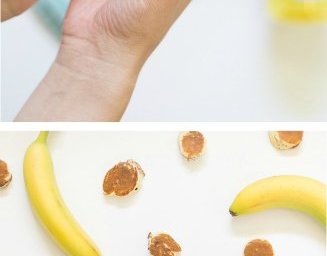
- Use it to coat slippery finger foods such as bananas, peaches and pears
The ways to add wheat germ to baby food recipes are endless.
Headlines from our Baby Food Blog
Quick Links
Transitioning to Sippy Cups |
Water, is it Necessary for Baby? | Constipation and Solid Foods
Add Wheat Germ as a nutritional boost to Your Homemade Baby Food
Solid Foods for Baby
Useful articles and charts to help you with the fun and folly of introducing baby to solid foods.
MORE HOMEMADE BABY FOOD RECIPES & RECIPE TOPICS
View these pages for more tips & topics on baby feeding & cooking baby foods.
- Freezing Homemade Baby Foods
- Vitamins & Minerals in Baby's Foods
- Baby Food Myths - Archived
- Baby Food Recipes Downloads
- Freebies for Baby