-
- Blog
- Baby Food Recipes
- Puree & Store
- Foods for Baby
- Baby Food FAQs
- Food Allergy
- Tips & Topics
-
-
-
-
-
-
-
-
-
-
- Introducing Solids
- Baby Feeding Issues
- Infant Reflux
- Lactose Intolerance
- Iron & Baby
- Constipation
- When Baby has Diarrhea
- Table Foods
- When to Introduce Finger Foods
- Vegetarian Baby
- Picky Eaters
- Does Baby Need Water?
- Juicefor Baby
- Adding Salt to Baby Food
- Cereal in Baby's Bottle -
- My Baby is Orange.
- Does Baby Need Variety?
- Oxalates
- Dining Out
- Baby Refuses a Spoon.
- Using a Sippy Cup
- Transition to Milk
- More
- Sugar Substitutes
- Short-Cuts
- Food Out of Season?
- Bring on Curry.
- Read the Package
- Fruits Are Coming..
- Grist on Grains.
- Vitamin & Mineral Supplements
- Leftover Baby Purees
- Baby Safety Checklist
- Vitamins Found in Foods
- Baby Food Books
- Breastfeeding
- Safely Prepare Baby Food
- Methods of Storage
- Canning Baby Food
- Using Organics
- Daycare Homemade Food
- Traveling with Baby Food
- Day Trips with Baby Food
- Healthy Snacks
- Exploit Your Oven!
- Special & Holiday Recipes
- Downloads & eBook
-
- Toddlers
![]() |
Peaches & Nectarines in Baby Food Recipes - When Can Baby Have Peaches & Nectarines? Age for Introducing Peaches & Nectarines: 6-8 Months - even 4-6 months
The Goodness of Peaches for Baby Food:
Did you know that the only difference between peaches and nectarines is the lack of fuzz on the nectarine skin. Nectarines tend to be smaller and more aromatic than peaches and have more red color on the fruit surface. (U.R.I. Horticultural School)
Peaches are high in Vitamin C and Vitamin A and they contain a great amount of fiber. Peaches are known to have a diuretic affect and also are a natural laxative. Along with Prunes, the Peach is a great fruit to give to your baby if constipation has become a problem.
PEACHES: (one medium w/skin)
VITAMINS:
Vitamin A - 524 IU
Vitamin C - 19 mg
Folate (important during pregnancy) - 5.5 mcg
Niacin - .97 mg
MINERALS:
Potassium - 193 mg
Phosphorus - 12 mg
Magnesium - 6.9 mg
Calcium - 5 mg
Selenium - .4 mg
Also contains trace amounts of iron, zinc, manganese and copper.
When can my baby have Peaches in Baby Food Recipes?
Peaches are yummy, sweet and juicy. They pair well with a lot of other foods for baby such as chicken and bananas and avocado. Babies may begin to eat Peaches anywhere from 4 to 6 (six) months old.
For those that start their babies on solid foods earlier than the recommended 6 months of age, peaches are an easy to digest first food for those between 4-6 months of age. Peaches may be poached, steamed or baked. Please be aware that Peaches tend to loose their nutritive value with prolonged cooking. Baking peaches or using a microwave to steam them may be the best choice of cooking for optimal nutrient retention.
Peaches are on the EWG's "Dirty Dozen" List.
This list contains fruits and veggies that are most likely to accumulate pesticides; most accumulation occurs in the skin.
View the list on our Organic Baby Food Page |
Peaches may be fed to your baby in pureed form alone or mixed into cereals, yogurts, and even in meats such as chicken. Frozen peach slices stuffed into a baby safe feeder are GREAT to help alleviate teething pain. Ripe peaches, or gently cooked peaches, may be diced into small cubes and fed to your baby as a Baby Finger Foods. If you find the dices are too slippery for baby to pick up, coat the dices with crushed and powdered Cheerios or with Wheat Germ.
As always, we recommend that you consult with your pediatrician about introducing solid foods to your baby; generalities may not apply to all babies.
How to select and store Peaches and Nectarines for Baby Food
Once picked, a Peach or a Nectarine will not get any more sweet or ripe. A Peach or a Nectarine will however become softer and will also become more juicy. When selecting these fruits, you want to ensure that there are no cuts or bruising on the fruit. Purchase peaches and nectarines that are firm yet slightly yielding when gently pressed.
How to peel a Peach
Scrub fruit clean and carve an X into 1 side of the fruit
Place X side down in a pan with an inch of water
Bring water to a boil and steam until soft and tender
Allow the fruit to cool and then peel the skin from fruit - the skin should slip off very easily.
Basic Peach Baby Food Recipes
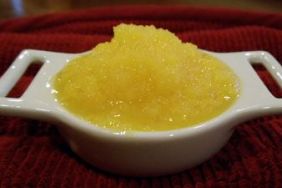
Pureed Peaches for Baby ![]()
![]()
Steam or Bake or Blanch Peaches for Peach Puree - these methods work for nectarines, plums and pears as well. We HIGHLY recommend giving baked peaches a try at least once. You will find they are more tasty when baked. Why not try baking for all fruits?
Steam Peaches - Method 1
1. Scrub fruit clean and carve an X into 1 side of the fruit
2. Place X side down in a pan with an inch of water
3. Bring water to a boil and steam until soft and tender
4. Peel skin from fruit and remove pits and/or seeds
5. move to step #6 below
Steam Peaches - Method 2
1. Peel fruit
2. Pit the peach
3. Cut the peach into dices
4. Steam until soft and tender then
5. move to step #6
Bake
1. Halve the fruit, pit and place "open" side down in a pan filled with 1 inch of water
2. Bake at 400F until soft and tender and/or puckering of the skin appears.
3. Peel skin from fruit and remove pits if you did not do so prior to baking (you may also leave the skin on your baked peaches - the skin may simply melt into the fruit.)
4. move to step #6
"Blanch"
1. Bring 3 or 4 cups of water to a rolling boil
2. Add cleansed peaches or nectarines to the boiling water and boil the fruit for 3-5 minutes
3. Remove fruit to a bowl of cold water, allow to cool for 2 minutes
4. Slip off the skins and then take out the pit
5. move
to step #6
Moving to Step 6
6. Reserve any left over water to use for thinning out the fruits
7. Peel off skin if you have not done this already. Place fruit(s) into your choice of appliance for pureeing and begin pureeing.
8. Add the reserved water as necessary to achieve a smooth, thin puree
9. Add cereal (if desired) to thicken up.
Peeling Fruits & Veggies - It is suggested that fruits and veggies be peeled for those babies under 8 months of age. This allows for easier digestion. If you have always left peels on, then there should be no need to begin peeling. Read more about Peeling Fruits & Veggies
Peach Baby Food Recipes - Peaches & Tapioca
without yogurt
with Yogurt
½ Cup Water
1/3 Cup Quick-cooking Tapioca
1 Peeled & pitted Peach
½ Cup Vanilla Yogurt
Bring water to a boil in a saucepan. Gradually add tapioca, stirring constantly. Reduce heat to low & cook 5 minutes, continuing to stir constantly. Separately puree the peach & add to the mixture. Blend tapioca with yogurt & peach.
![]()
Peachy Bananas
![]()
1 peeled & pitted Peach
1/2 ripe bananas
Steam peach if needed and then mash
Mash banana into the peach
Puree if needed for your baby's texture preferences.
![]()
Peaches a la Squash
![]()
2 peeled & pitted Peach
1/2 cup pureed acorn or butternut squash
Steam peaches if needed and puree or mash. Mix the pureed peaches into the squash and serve.
This pairs nicely with chicken as well as stirred into rice or oatmeal cereal
![]()
Peach Rice Pudding Baby Food Recipe ![]()
2 cups 2% milk
1/2 cup honey (*leave out for babies under 1 yr. old)
2 eggs (use 4 yolks for those under 12 months.)
2 tsp vanilla
4 cups cooked short- or medium-grain brown rice
1/3 cup raisins
1 cup low-fat, peach-flavored yogurt (we prefer plain.)
1/2 tsp cinnamon
Preheat oven to 350 degrees F. In a large bowl, whisk together milk, honey, eggs, and vanilla. Add cooked rice and raisins and mix well. Pour mixture into a 2-quart casserole dish that has been sprayed with non-stick spray.
Cover and bake for 40 minutes, stirring twice during cooking time. Remove pudding from oven and let cool. Stir in yogurt and cinnamon. Tastes great warm or cold. Store leftovers in refrigerator.
Foods Good to Mix With Peaches:
Apples
Avocado
Bananas
Blueberries
Carrots
Butternut or Acorn Squash
Sweet Potato
Chicken
Pork
Yogurt
Headlines from our Baby Food Blog
Quick Links of Interest
- Baby Led Weaning - is Baby Led Weaning Right for Your Baby?
- Feeding Your 6-8 Month Old Baby
- Is Baby Ready for Solid Foods?
- How Much Food Should My Baby Eat?
- Constipation and Solid Foods
Welcome to our Feeding Your Baby Mango page.
Welcome to our Peaches & Nectarines Baby Food Information and Recipes page.
While the recommended age for starting solid foods is generally 6 months of age, many babies start solids between 4 and 6 months of age. These recipes are appropriate for this age range.
Peaches & Nectarines are packed with Vitamins A & C and are a yummy addition to your baby's diet. They are high in fiber and that may help keep baby regular.
Learn about Peaches & Nectarines and try some of our Peaches & Nectarines baby food recipe ideas too.
ORAL ALLERGY SYNDROME
Birch Pollen Allergies
Birch pollen allergies are associated with apple, carrot, cherry, pear, peach, plum, fennel, walnut, potato, spinach, buckwheat, peanut, honey, celery, and kiwifruit.
Cedar Allergies
Japanese cedar allergies are associated with melon, apple, peach and kiwifruit.
Mugwort Allergies
Mugwort allergies are associated with celery, carrot, spices, melon, watermelon, apple, hazelnut, and chestnut.
Grass Pollen
Grass pollen allergies are associated with melon, tomato, watermelon, orange, rice and cherry.
Ragweed Pollen
Ragweed allergies are associated with melon, chamomile, honey, banana, and sunflower seeds.
Latex
Latex allergies may be cross-reactive to banana, avocado, kiwi and papaya.
Solid Foods for Baby
Useful articles and charts to help you with the fun and folly of introducing baby to solid foods.

MORE HOMEMADE BABY FOOD RECIPES & RECIPE TOPICS
View these pages for more tips & topics on baby feeding & cooking baby foods.
- Freezing Homemade Baby Foods
- Vitamins & Minerals in Baby's Foods
- Baby Food Myths - Archived
- Baby Food Recipes Downloads
- Freebies for Baby


Buy Organic Peaches Whenever Possible.