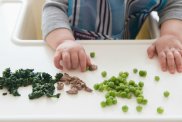
There's nothing as yummy, healthy, wholesome and fresh as homemade baby vegetable purées! To make Homemade Baby Food Vegetables, Baking or Steaming Veggies is the preferred method for optimal nutrient retention and safety!
Visit our Cooking Baby Food - Methods article to learn more about cooking homemade vegetables for baby food. Vegetables are an important part of your baby's diet. Homemade vegetables will help provide your baby with vitamins, minerals and fiber!
Asparagus 8-10 months+
Prep the asparagus by holding one asparagus spear with one hand in the
middle of the spear and the other hand at the stem.
Bend the spear until it snaps. Toss out the lower end that snapped off. Repeat until all your asparagus is "snapped".
A few people recommend peeling asparagus - we have done this only once and found it very very time consuming and not worth the trouble! The snapping method works just fine. You may however wish to experiment with both methods!
Cooking Asparagus for baby:
Fill a large pot (large enough to accommodate a steamer basket) with about 3 inches of water - or until the water peeks through the holes of the steamer basket.
Place asparagus, "flower" side up into a steamer basket. Steam asparagus until very tender and mushy or baby food puree. Puree the asparagus when finished steaming.
Add liquid as needed to make a puree your baby will tolerate. (For adults, you want to steam it more "al dente" than you do for making baby food)
We suggest that you serve asparagus as a finger food to an older baby. Many people find that asparagus gives them a bit of gassiness and bloating.
Hint: Your baby's urine may change to a very bitter smell and quite possibly change colour due to the asparagus!
Avocado
Avocado is actually a fruit - you will find this recipe double posted to our Fruit Recipes page
(4)6 months+
Vitamins: A, C, Niacin, Folate
Minerals: Potassium, Phosphorus, Iron, Magnesium, Calcium
1. Peel and take out the pit of a ripe avocado
- do not cook
2. Cut “meat” out and mash with a fork
3. There should be no need to use a machine as just like bananas, avocados have a very soft consistency and texture. Avocados do not need to be cooked!
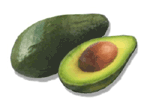
How to Select an Avocado
When selecting an Avocado, you want a dark green colour with bumpy texture. The fruit should be firm yet yielding when gently pushed. When an avocado is sliced in half, the flesh colour should be a green that gently transforms into a buttery yellow around the pit. Visit our Avocado Topic for More Information
Beans -
Green (4)6 months+
(this method may be used for Peas as well)*
Vitamins: A, C, K, Niacin, Folate
Minerals: Potassium, Sodium, Phosphorus, Iron, Magnesium, Calcium
1. If using Fresh Beans, snap the ends off the beans and wash the beans. If using Fresh Peas, open the pods and scrape out the peas from the pod. If using frozen of either Peas or Green Beans, cook according to package directions.
2. Place fresh beans into a steamer basket in a pan with a just enough water to slightly show through in the basket.
3. Steam until very tender; be sure to check on the water level.
4. Reserve any left over water to use for thinning out the beans.
5. Place into your choice of appliance for pureeing and begin pureeing.
It is best to use the setting that makes the finest liquid purees - green bean and pea skins are rather difficult to completely puree.
***Using a blender rather than a food processor or stick mixer might be better as well. ***
6. Add the reserved water as necessary to achieve a smooth, thin consistency
7. You may wish to push the green beans (or peas) through a sieve or mesh strainer to get rid of any remaining skins.
Beans/Legumes - Dried (lentils, split peas, black beans etc)
Visit our Lentil Baby Food Recipes for Yummy Lentil Baby Food ideas
8-10 months+
1. Purchase the beans at your food shop
2. Follow basic cooking directions on the package – many choose not to soak the beans and the beans cook fine
3. Reserve any left over water to use for thinning out the beans if you wish to puree them
4. Place into your choice of appliance for pureeing and begin pureeing.
5. Add the reserved water as necessary to achieve a smooth, thin puree
6. Add veggies such as carrots, squash etc if desired.
You may also wish to use a homemade chicken or vegetable stock to cook the beans in. Ensure that no salt is added to the stock!
Broccoli
8-10 months+ (same method for Cauliflower)
Vitamins: A (4533 IU), C, E, K, Niacin, Folate
Minerals: Potassium, Sodium, Selenium, Phosphorous, Iron, Magnesium, Calcium
1. Wash broccoli under cool water.
2. Chop stems and florets into small pieces; using just the florets will many times yield a smoother puree. Steam until tender.
3. Place into your choice of appliance for pureeing and begin pureeing.
4. Add water as necessary to achieve a smooth, thin consistency
Carrots*
6-8months+
Vitamins: A (19,152 IU), C, Folate
Minerals: Potassium, Sodium, Phosphorous, Iron, Magnesium, Calcium
1. Peel carrots and cut into small chunks
2. Place chunks into a steamer pan with just enough water visible through the steamer basket
3. Steam until tender
4. Do not reserve any left over water to use for thinning out the carrots if baby is under 8 months old as Nitrates may seep into the cooking water
5. Place into your choice of appliance for pureeing and begin pureeing.
6. Add water as necessary to achieve a smooth, thin consistency
*(See
Our article on Nitrates)
Why do you suggest peeling fruits and veggies ? Nutrients are found in the peels right?
Eggplant
8-10 months+
1. Wash and peel eggplant.
2. Cut into 1 inch pieces and steam until tender and mushy.
3. OR slice eggplant in quarters and bake in a 375 degree oven for approx. 30 minutes or until tender.
4. Place into your choice of appliance for pureeing and begin pureeing.
5. Add water as necessary to achieve a smooth, thin consistency
Garden Vegetable Combo 6-8months+
1. Combine fresh or frozen green beans and peas, summer and/or zucchini
squash and thinly sliced pieces of potato, and small pieces of chopped carrots.
2. Add enough water to just cover the vegetables.
3. Cook until tender, reserving water.
4. Puree vegetables in blender or food processor,
5. Adding reserved water from the vegetables until mixture is of the desired
consistency.
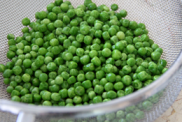
Peas (green)
6-8months+ (this method may be used for
Green Beans as well)*
Vitamins: A (4533 IU), C, Niacin, Folate
Minerals: Potassium, Sodium, Selenium, Phosphorous, Iron, Magnesium, Calcium, Zinc
1. If using Fresh Peas, open the pods and scrape out the peas from the pod.
If using frozen type of either Peas or Green Beans, cook according to package directions.
2. Place fresh peas into a steamer basket in a pan with a just enough water to slightly show through in the basket.
3. Steam until very tender; be sure to check on the water level.
4. Reserve any left over water to use for thinning out the peas.
5. Place into your choice of appliance for pureeing and begin pureeing.
It is best to use the setting that makes the finest liquid purees - green bean and pea skins are rather difficult to completely puree. Using a blender rather than a food processor or stick mixer might be better as well.
6. Add the reserved water as necessary to achieve a smooth, thin consistency
7. You may wish to push the peas (or green beans) through a sieve or mesh strainer to get rid of any remaining skins
When to add Onions, Celery, Leeks, and other "Exotic" Baby Foods to your Baby's food repertoire?
* Why can’t I get peas and green beans to puree smooth?
If you are using a Food Processor, try the Blender. The Blender seems to work the best for getting Peas into a more fine puree! Peas and green beans are very hard to get pureed into a very fine, smooth consistency. You can put them in a strainer and work out the “skins” if using fresh or you can use frozen for a smoother consistency and minimal effort to work out the “skins”.
You may also use beans/legumes (kidney beans, lentils, split peas etc..) if your doctor says it is ok for baby’s age.
Please keep in mind that you will never be able to achieve the consistency equal to that of the baby food that comes in jars!
Some parents choose to leave green beans and peas for later introduction, when baby enjoys texture and is able to eat them as
Baby Finger Foods
Potato (White) 8-10 months+
1. Peel potatoes and cut into small chunks
2. OR bake in the oven
3. Place chunks into a pan with just enough water to slightly cover potato
4. Boil until tender, be sure to check on the water level.
5. Reserve any left over water to use for thinning out the potatoes
6. Place into your choice of appliance for pureeing and begin pureeing.
7. Keep a close watch on the potatoes while you are pureeing as they may turn into “wallpaper paste” if pureed too much
8. Add the reserved water as necessary to achieve a smooth, thin consistency.
You may also use breast milk or formula to make the puree if you wish.
Squash (winter like acorn, butternut or hubbard)
(4)6 months+
(nutrient info for squash of all types may be found at our
"Tips on Squash" page)
1. Cut acorn, hubbard, or butternut squash in half, scoop out seeds
2. Place an inch of water in a baking pan, then place squash halves "face" down
in the pan. Check on water level while baking
3. Bake in a 400 degree oven for 40 minutes or until the “shell/skin” puckers and halves feel soft then scoop squash “meat” out of the shell
4. Place squash "meat" into your choice of appliance for pureeing and begin
pureeing.
5. Add water as necessary to achieve a smooth, thin consistency.
6. You can also peel the squash, scoop out the seeds and then cut into chunks and boil/steam until tender (like when boiling potatoes for mashed potatoes) then follow steps 4 and 5
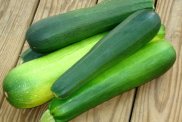
Squash (summer) 6-8months+
(nutrient info for squash of all types may be found at our "Tips on Squash" page)
1. Choose yellow squash or zucchini that are somewhat small in diameter, as these are the most tender.
2. Wash squash thoroughly and cut into small slices or chunks. Do not remove skins.
(*You may remove skins however an infant over the age of 8 months old
should be able to digest squash puree with skins on)
3. Steam until tender then place into your choice of appliance for pureeing and begin pureeing.
4. Add water as necessary to achieve a smooth, thin consistency
Yams/Sweet Potato (4)6 months+
Why a Yam is NOT a Yam!
Vitamins: A (24,877 mg ), C, Folate
Minerals: Potassium, Sodium, Selenium, Phosphorous, Magnesium, Calcium
1. Wash and poke holes in sweet potato with fork then wrap sweet potatoes in tin foil - do not peel for baking/microwaving. (you can also do this in the microwave - only use plastic wrap and cook for 8 minutes on high or until tender)
2. Place in a 400 degree oven and bake for 30-60 minutes or until soft.
3. OR
4. Peel sweet potatoes and cut into small chunks
5. Place chunks into a pan with just enough water to slightly cover potato
Carrie wrote to tell us how she bakes her Sweet Potatoes "I baked for about 45 minutes at 410 F on the lower rack of the oven. The taters were so yummy!
Here's my tip, run them under water and then poke holes with a fork then run under water again then wrap and bake! The water helps cook them - works with baking whte potatoes too! - 20 March 2008 |
6. "Steam" boil until tender, be sure to check on the water level.
7. Reserve any left over water to use for thinning out the sweet potatoes
8. If you have baked your sweet potato, remove skins and use liquid from your preferred source
9. Place sweet potato into your choice of appliance for pureeing and begin
pureeing.
10. Add the reserved water or other liquid as necessary to achieve a smooth, thin consistency
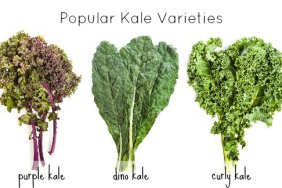
Spinach - Steamed**
10 months+ (May be used for
Kale and Collards also)
1. Thoroughly cleanse fresh spinach and pick out damaged leaves
2. Steam in a pot with a steamer basket insert (water should just peek through the holes of the basket).
3. Leaves will shrink and appear wilted when done.
(DO NOT USE COOKING WATER TO PUREE!)
4. Drain and puree spinach in blender or food processor,
5. Add fresh water until mixture is of the desired consistency.
**Nitrate risk! Do not serve homemade spinach to an infant under 10 months old! Spinach puree MUST be immediately eaten, frozen or stored in the refrigerator! Studies done on spinach and nitrates in particular have shown that with improper storage and preparation, the nitrate levels may actually increase. Proper preparation and immediate use or storing via freezer method will help eliminate this risk in leafy vegetables
Sautéed Spinach**
10 months+ (May be used for Kale and Collards also)
1. Thoroughly cleanse fresh spinach and pick out damaged leaves
2. Heat olive oil in a frying pan
3. Place spinach in the pan with the heated olive oil and sauté until tender.
Leaves will shrink and appear wilted when done.
4. Puree spinach in blender or food processor,
5. Add fresh water until mixture is of the desired consistency.
Add some spices such as garlic cloves or powder, basil or onion powder if baby is able to have these spices.
**Sweet Potato Custard
Break from the ordinary! 8-10 months+
1 cup mashed cooked sweet potato
1/2 cup mashed banana (about 2 small)
1 cup evaporated skim milk
2 Tbsps packed brown SUGAR
2 beaten EGG YOLKS (or a cup egg substitute)
1/2 tsp salt
Nonstick cooking spray, as needed
1/4 cup raisins (optional)
1 Tbsp sugar
1 tsp ground cinnamon
Instructions:
In a medium bowl, stir together sweet potato and banana. Add milk, blending well.
Add brown sugar, egg yolks, and salt, mixing thoroughly.
Spray a 1-quart casserole with nonstick cooking spray. Transfer sweet potato mixture to casserole dish.
Combine raisins, sugar, and cinnamon; sprinkle over top of sweet potato mixture.
Bake in a preheated 325º F oven for 40-45
minutes or until a knife inserted near center comes out clean. *8months +