-
- Blog
- Baby Food Recipes
- Puree & Store
- Foods for Baby
- Baby Food FAQs
- Food Allergy
- Tips & Topics
-
-
-
-
-
-
-
-
-
-
- Introducing Solids
- Baby Feeding Issues
- Infant Reflux
- Lactose Intolerance
- Iron & Baby
- Constipation
- When Baby has Diarrhea
- Table Foods
- When to Introduce Finger Foods
- Vegetarian Baby
- Picky Eaters
- Does Baby Need Water?
- Juicefor Baby
- Adding Salt to Baby Food
- Cereal in Baby's Bottle -
- My Baby is Orange.
- Does Baby Need Variety?
- Oxalates
- Dining Out
- Baby Refuses a Spoon.
- Using a Sippy Cup
- Transition to Milk
- More
- Sugar Substitutes
- Short-Cuts
- Food Out of Season?
- Bring on Curry.
- Read the Package
- Fruits Are Coming..
- Grist on Grains.
- Vitamin & Mineral Supplements
- Leftover Baby Purees
- Baby Safety Checklist
- Vitamins Found in Foods
- Baby Food Books
- Breastfeeding
- Safely Prepare Baby Food
- Methods of Storage
- Canning Baby Food
- Using Organics
- Daycare Homemade Food
- Traveling with Baby Food
- Day Trips with Baby Food
- Healthy Snacks
- Exploit Your Oven!
- Special & Holiday Recipes
- Downloads & eBook
-
![]() |
Plums and Prunes in Baby Food Recipes - When Can Baby Have Plums and Prunes?
Age for Introducing Plums & Prunes: (4)6-8 month
The Goodness of Plums for Baby Food
One thing that all varieties of plums have in common is that they are very nutritious. Plums are high in fiber, low in cholesterol, sodium free and rich in Vitamin A & Vitamin C. Like other fruits that are high in fiber, Plums are great aids in reducing the risks of cancer and heart attack and sustaining healthy cholesterol levels. As Plums are high in fiber and natural sugars, they help maintain bowel regularity. Plums and Prunes are great to help with constipation.
Prunes, also known to help maintain bowel regularity and alleviate constipation, are really just Plums that have been "dried". Recently, you may have noticed that "prunes" may be scarce or no no longer available at your local grocer. There is a move to try to make "prunes" more appealing to a wider variety of consumers and so they are now being marketed as "Dried Plums".
PLUMS: (one cup - sliced)
VITAMINS:
Vitamin A - 569 IU
Vitamin C - 15.7 mg
Vitamin B1 (thiamine) - .04 mg
Vitamin B2 (riboflavin) - .04 mg
Niacin - .6 mg
Folate - 8 mcg
Contains some other vitamins in small amounts.
MINERALS:
Potassium - 259 mg
Phosphorus - 26 mg
Magnesium - 12 mg
Calcium - 10 mg
Sodium - 0 mg
Iron - .28 mg
Also contains small amounts of manganese, copper and zinc.
When can my baby eat Plums and Prunes Baby Food Recipes?
Neither plums nor prunes pose a high allergy risk. These fruits are recommended to be introduced to baby anytime from (4) 6 months of age. Please do keep in mind the recommended age for introducing solids is 6 months of age.
How to select and store Plums and Prunes for baby food
Like many other fruits, plums are very delicate. While plums will store well, you should purchase them for use within a week as the longer they are stored, the more they become bruised and softened. Choose plums without bruising, soft spots or cuts. Always try to purchase natural prunes that have not been dried with any type of sulphurs. Many health food stores and conventional grocers are now carrying plums that are not dried and preserved with chemicals.
Prunes are always dried plums no matter the method use to "make" them. However not all plums are made into prunes. Many commercial prunes are now being called "dried plums" as marketers have found the public is more receptive to purchasing dried plums rather than "prunes". If you ever get the chance, compare "real" dried prunes to those that you will find in a can or packet in the grocery store.
Plums that are dried either via a fan, a food dehydrator or dried in the sun will not be as slimy looking nor will they be as shriveled as many commercially dried plums/prunes. Think of it as you think of the difference when looking at homemade baby food and commercial baby food; it's difficult to imagine how they can possibly be so dissimilar.
Basic Plum and Prune Baby Food Recipes:
Plum Purée - 4 Ways to Make Plum Puree for Baby Food
Use any number of ripe plums that you desire.
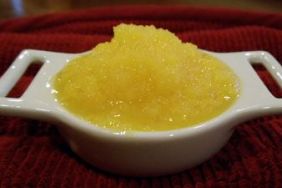
Peel, pit and cut plums into chunks and steam until tender in a scant amount of water. Puree using the leftover cooking liquid
OR
1. Scrub fruit clean
2. Carve an X into 1 side of the fruit
3. Place X side down in a pan with an inch of water
4. Bring water to a boil and steam until soft and tender
5. Peel skin from fruit and remove pits and/or seeds
OR:
Halve the fruit, pit and place "open" side down in a pan filled with 1 inch of water, bake at 400F until soft and tender or puckering of the skin appears.
OR
Drop whole, cleansed fruits into a pan of boiling water for 5-10 minutes, until fruits are soft
Place fruits into a bowl of cold water and slip off the skins then cut and pit the fruit. Puree as with any other fruit, adding lots of liquid if needed.
![]()
Plum Baby Food Recipes - "Dried" Prune Puree
1 small bag of dried prunes
1. Soak dried prunes in warm water until they plump up or steam gently.
2. Once plump and tender, toss into food processor or blender and begin to puree.
3. Add liquid without sparing any. Prunes tend to become a pasty gluey consistency when pureed and the more water you add, the easier it is to puree to a texture your baby will tolerate.
Like apricots, prune puree will not freeze into a solid block. The skins should not pose an issue however do be certain to keep a watch for baby's adverse reaction to the possible texture. You may wish to mix the pureed prunes with a beloved food for the first try.
![]()
Creamy Plum Purée Baby Food Recipe ![]()
8 months + due to Yogurt
Ingredients:
1 cup plum purée
Plain or Vanilla Yogurt and/or
Apple or Pear Juice or plain water
Add plum purée and Yogurt and/or Juice or water until the proper consistency for your baby is achieved. Puree in a blender or food processor if needed.
![]()
Cranberry (or Blueberry) Apple Plum Purée & Sauce ![]()
8 months + due to spices, cranberries and blueberries
Ingredients:
1 peeled, cored, diced apple
2 handfuls of fresh cranberries or blueberries
2 peeled, pitted and diced plums
1 cup water
1 tsp vanilla
Add all fruits and water to a medium saucepan
Bring mixture to a boil over medium high heat
Turn to simmer and check frequently so as not to run out of water.
Add more water if needed and simmer for approx. 20 minutes or until all fruit is soft and tender and cranberries have popped
Allow to cool and then blend or puree as needed for your baby's preferences - Add to cereals, yogurt or even drizzle sauce over meat puree or meat dices.
![]()
Plum Chicken ![]()
8 months + due chicken
Ingredients
3 plums
1 chicken breast
Peel, pit and cut plums into dices
Cut chicken breast into dices
Add chicken and plums to a saucepan and add 1 cup of water
Simmer until the chicken is fully cooked
Puree, Chop or Mash as needed for your baby's texture preferences
Foods Good to Mix With Plums:
Apples
Blueberries
Cranberries
Peaches
Melons
Chicken
Yogurt
![]()
Headlines from our Baby Food Blog
Welcome to our Feeding Your Baby Prunes and Plums page.
Welcome to our Prunes and Plums Baby Food Information and Recipes page.
Both prunes and plums are very nutritious for your little one. They also have the benefit of helping relieve constipation.
Learn about prunes and plums and try some of our prunes and plums baby food recipe ideas too.
ORAL ALLERGY SYNDROME
Birch Pollen Allergies
Birch pollen allergies are associated with apple, carrot, cherry, pear, peach, plum, fennel, walnut, potato, spinach, buckwheat, peanut, honey, celery, and kiwifruit.
Cedar Allergies
Japanese cedar allergies are associated with melon, apple, peach and kiwifruit.
Mugwort Allergies
Mugwort allergies are associated with celery, carrot, spices, melon, watermelon, apple, hazelnut, and chestnut.
Grass Pollen
Grass pollen allergies are associated with melon, tomato, watermelon, orange, rice and cherry.
Ragweed Pollen
Ragweed allergies are associated with melon, chamomile, honey, banana, and sunflower seeds.
Latex
Latex allergies may be cross-reactive to banana, avocado, kiwi and papaya.
Solid Foods for Baby
Useful articles and charts to help you with the fun and folly of introducing baby to solid foods.
![]()
Quick Links
Transitioning to Sippy Cups
Water, is it Necessary for Baby?
Constipation and Solid Foods

MORE HOMEMADE BABY FOOD RECIPES & RECIPE TOPICS
View these pages for more tips & topics on baby feeding & cooking baby foods.
- Freezing Homemade Baby Foods
- Vitamins & Minerals in Baby's Foods
- Baby Food Myths - Archived
- Baby Food Recipes Downloads
- Freebies for Baby