Carrots for Baby Food - Age for Introduction to Baby:
6-8 Months
The Goodness of Carrots:
Carrots, a most confusing, sometimes fear invoking vegetable when it comes to preparing homemade baby food. This topic will focus on the carrot as a healthy, nutritious food for your baby. Rather than re-writing the Nitrate article here, we would like to point you to our Nitrates article for almost everything you ever wanted to know about Carrots and Nitrates!
Carrots are very high in beta carotene. Beta carotene is a Carotenoids, a set of darkly colored pigments called provitamin A carotenoids that can be converted to Vitamin A. Vitamin A is very important in a developing infant's diet!
advertisement
How can I safely prepare Carrots for my baby food recipes?
When preparing Carrots, steaming is the very best method for cooking and preparing them. Steaming Carrots allows the beta carotene to be more bio-available and readily used by the body.
Carrots should be peeled when making baby food purées as many infants will not be able to digest the skins. Unless you are purchasing Organic carrots, you should always peel carrots as chemicals do concentrate in the skin of the carrot. If you do not buy Organic carrots, please cleanse the carrots by using a vegetable brush and lightly scrubbing the carrots under cool running water.
The best way to preserve the flavor, crispness, and beta-carotene content in carrots is to refrigerate them.
Carrots are often one of baby's first food. They are easy to digest and are packed full of nutrients such as Vitamin A, Vitamin C and Calcium. Due to the issue of Nitrates, recommendations for the introduction of carrots varies. We have found that more often than not, the recommendation for introducing carrots is between 7 and 8 months old. Again, please see our Nitrates article for more in-depth information.
CARROTS: (half cup steamed)
VITAMINS:
Vitamin A - 19,152 IU
Vitamin C - 1.8 mg
Niacin - .4 mg
Folate - 11 mcg
Pantothenic Acid - .2 mg
Vitamin B6 - .2 mg
Contains some other vitamins in small amounts
MINERALS
Potassium - 177 mg
Sodium - 51.5 mg
Calcium - 24 mg
Phosphorus - 23.4 mg
Magnesium - 10 mg
Iron - .48 mg
Also contains small amounts of selenium, manganese, copper and zinc.
When can I introduce Carrots to my baby?
Carrots may be introduced between 6 and 8 months of age. As always, we recommend that you thoroughly discuss any feeding issues with your pediatrician as generalities may not apply to your child.
A Few Carrot Baby Food Recipes:
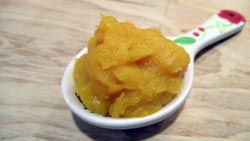
Carrots - Basic Purée
1. Peel carrots and cut into small chunks
2. Place chunks into a steamer pan with just enough water visible through the steamer basket
3. Steam until tender
4. Do not reserve any left over water to use for thinning out the carrots if baby is under 8 months old as Nitrates may seep into the cooking water
5. Place into your choice of appliance for pureeing and begin pureeing.
6. Add water as necessary to achieve a smooth, thin consistency.
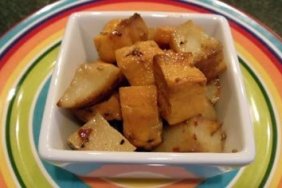
Carrots - Baked Carrots for Homemade Baby Food
1. Peel carrots and cut length-wise into thick slivers.
2. Oil a glass casserole dish with Olive Oil and then place the carrots into the glass casserole dish.
You may dash some garlic powder, basil and/or italian seasonings (dried basil, oregano, rosemary all together), or even yummy tarragon, over the carrots if your baby is 8 months+ and eating spices. Visit our When can baby have spices page to learn more.
3. Bake carrots at 350F for approximately 45 minutes or until carrots have turned fork tender and have changed to a dark orange.
4. Puree, adding water as needed, and serve or freeze. You can also cut the carrots into little bits and serve as finger food. Or, freeze the carrot dices in a freezer bag. This will allow you to serve up some "fast food" - baked carrots for finger foods!
Carrot-Rice Casserole (8 months+ due to dairy)
3 cups grated carrots
3 cups cooked brown rice
1/2 cup finely chopped onion
1 tablespoon minced fresh parsley
1/4 teaspoon salt (no real need)
1-1/2 cups evaporated skim milk (try plain yogurt instead!)
1/2 cup egg yolks
3 tablespoons grated nonfat or reduced-fat Parmesan cheese
Combine the carrots, rice, onions, herbs, and salt in a bowl, and stir to mix well. Add the milk (or yogurt) and egg yolks, and stir to mix. Coat a 2-quart casserole dish with nonstick cooking spray, and spread the mixture evenly in a dish. Sprinkle cheese over the top. Bake at 350 degrees for 50 minutes to 1 hour, or until a sharp knife inserted in the center of the dish comes out clean. Remove dish from oven and let sit for 5 minutes before serving. Serves 8.
Mashed Turnip & Carrot Delight
Ingredients:
1 very large turnip ( or many small ones)
6 large carrots ( or as many as you like)
spice to taste
Directions:
To begin peel skin off of the turnip then cut turnip into pieces... size doesn't matter, but the smaller you cut them the faster they will boil. After cutting the turnip place in a saucepan with water and boil till done. (when you can stick a fork through piece, it's done!) Cut up carrots and steam until tender - or steam turnips and carrots together!
When turnip & carrot are ready, put both in one bowl or saucepan and mash them together. Or you can mash them separately (food processor can also be used) and then mix them together. Add spices as desired.
Foods Good to Mix With Carrots:
Apples
Peaches
Green Beans
Dried Beans
White Potato
Sweet Potato
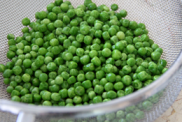
Peas
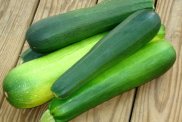
Summer Squash - zucchini or yellow/crooked necked
Winter Squash - butternut, acorn etc.
Brown Rice
Lentils
Chicken
Beef
Pork
Tofu
Visit our Combinations page to see more Homemade Baby Food Combination Ideas
What does the AAP (American Academy of Pediatrics) say about Homemade Carrots?
"Because the intake of naturally occurring nitrates from foods such as green beans, carrots, squash, spinach, and beets can be as high as or higher than that from well water, these foods should be avoided before 3 months of age, although there is no nutritional indication to add complementary foods to the diet of the healthy term infant before 6 months of age" American Academy of Pediatrics - Nitrate Statement
and
"Preventive strategy would be not to introduce home preparations of these vegetables to infants before 3 months of age, although there is no nutritional indication to add complementary foods to the diet of the healthy term infant before 4 to 6 months of age.23 Infants fed commercially prepared infant foods after 3 months of age generally are not at risk of nitrate poisoning, although the containers should be refrigerated after first use and discarded within 24 hours of opening. " American Academy of Pediatrics - Nitrate Statement
and
"Because vegetables, including green beans, carrots, squash, spinach and beets, can have nitrate levels as high or higher than that of well water, infants should not eat these foods until after age 3 months."
http://www.aap.org/advocacy/releases/sept05wellwater.htm |