eggs

Eggs in Baby Food Recipes
When Can Baby Have Egg Yolks and Egg Whites?

Age for Introducing Egg Yolks 8 months+ - Egg Whites 12 months+


advertisement 


The Goodness of Egg Yolks for your Baby

Of the mere 5 grams of fat in an egg yolk, only 1.5 grams (31%) are saturated fat. Monounsaturated fats total 1.9 grams (38%) and polyunsaturated0.68 grams (14%). The ratio of an egg’s fat content comes close to meeting the dietary proportions currently recommended as: -1/3 saturated, 1/3 monounsaturated and 1/3 polyunsaturated.


The egg yolk contains the following:

  • all of an egg’s vitamin A, D, and E;
  • almost all the vitamin B12, choline, folic acid and vitamin B3;
  • 76% of the biotin,
  • 73% of the inositol,
  • 50% of the niacin,
  • 93% of the vitamin B6,
  • 42% of the riboflavin,
  • 90% of the thiamin
  • 44% of the protein
    and substantial portions of the egg’s mineral content
    Source: The American Egg Board


Source: USDA National Nutrient Database for Standard Reference


When can I introduce Eggs to my baby?

Most pediatric resources agree that egg yolks are fine for <the non-allergenic> baby to eat when baby is around 8 months old.  Please keep in mind that the egg whites should not be fed to baby before 1 year old. 


note about egg allergies

Recommendations for introducing eggs to baby are changing! A 2008 study, and many studies done after, indicated that waiting to introduce eggs to your baby may not prevent any atopic (i.e. ezcema) disease(s). Many are now suggesting that babies may be introduced to whole eggs from the start (for those with no known history of food allergies and/or egg allergies).

"Although solid foods should not be introduced before 4 to 6 months of age, there is no current convincing evidence that delaying their introduction beyond this period has a significant protective effect on the development of atopic disease regardless of whether infants are fed cow milk protein formula or human milk. This includes delaying the introduction of foods that are considered to be highly allergic, such as fish, eggs, and foods containing peanut protein." Click to view report


A recent interview with Dr. Greer in Medscape Pediatrics notes that " "Now we can tell mothers: If you have exclusively breastfed for 4 months and your child is not at risk for allergy, you can introduce any food at 6 or 8 months or whatever."

Please be sure to discuss the introduction of potential allergenic foods with your pediatrician!

updated January 2010


Eggs, particularly the egg whites, are one of the top 8 of all allergens.  Many studies that have been done on infants with egg allergies find that by the time the infant has reached age 5, the allergy has been outgrown.  This is good news as the egg is highly nutritious and an important part of ones diet.

If your family has a history of egg allergies, then it is probably best to wait until after 12 months old to introduce egg yolks.  Read more about Egg Allergies.


The best way to cook Eggs and Egg Yolks


Eggs may be scrambled and fried or poached and boiled.


A Few Eggs Baby Food Recipes:


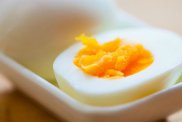
Hard Boiled Egg Yolks


1. Hard-boil an egg
2. Peel shell away and cut in half
3. Scrape or pop out the yolk
4. Mash the yolk and mix in formula, breast milk, yogurt, applesauce or whatever you choose that is appropriate for your baby.

Hint - Hard boiled eggs will spin when they are fully cooked.


divider


Egg Yolk Scramble


1. Crack an egg and separate the white from the yolk (you may use the shell for this or use an egg-separator)
2. Warm olive oil or butter in a frying pan
3. Scramble the yolk in a bowl with formula, breast milk, juice or whole milk and transfer to frying pan
4. Cook over medium heat, scrambling constantly, until thoroughly cooked


divider


Egg Yolk Veggie Scramble (or Baby Omelet)


egg yolks

pureed veggies or fruits


1. Crack a few eggs and separate the white from the yolk (you may use the shell for this or use an egg-separator)
2. Warm olive oil or butter in a frying pan
3. Scramble the yolk in a bowl with formula, breast milk, juice or whole milk and transfer to frying pan
4. Add a tablespoon of pureed veggies or pre-cooked soft dices of veggies, as you are scrambling the yolks
5. Cook over medium heat, scrambling constantly, until thoroughly cooked.


divider


Veggie Eggs & Rice


1 or 2 hard boiled egg yolks
1 cup of cooked brown rice
1/4 cup of pureed or diced soft cooked veggies such as carrots, broccoli or even sweet potatoes


Combine all ingredients and mix well. If needed, puree or mash to your baby's preferred textures.

Variation: Warm a frying pan with a bit of olive oil, crack an egg and separate the white from the yolk. Scramble the yolk in a bowl with formula, breast milk, juice or whole milk and transfer to frying pan. Add the veggies and rice and scramble the mixture; cooking until the yolks are done.


divider


Shaped Egg Yolk Fry-Up


1. Crack a few eggs and separate the white from the yolk (you may use the shell for this or use an egg-separator)
2. Warm olive oil or butter in a frying pan
3. Scramble and add the yolks to a frying pan. Cook them until the yellow begins to change color and harden - flip the yolks (just like you were making whole fried eggs.)
4. Continue to fry the yolks until they are thoroughly cooked


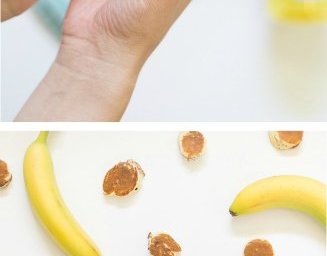
Variation: Use a cookie cutter to cut shapes from the egg yolks.
Transfer the egg yolks shapes to baby's plate and add some soft dices of your baby's favorite fruits as a garnish for baby to eat.


You may also get creative and cook the yolks inside of a metal cookie cutter in the pan. Simply oil the cookie cutter and place in the pan then add the scrambled yolks to the inside of the cookie cutter. There may be some seeping from under the cutter but you should be able to still fry up some shapes.

Ensure the shapes and dices are of a size appropriate for your baby's age and stage.


divider


Egg Yolk Mash

Mash cooked egg yolks, hard boiled or scrambled, and add the following:

Avocado
Cottage Cheese and Banana or Peaches or Pears etc
Peaches
Banana
Carrots
Sweet Potatoes


divider


Eggy Oatmeal Scramble - A yummy finger food

Ingredients
1 cup of cooked oatmeal
2 egg yolks
1/4 cup soft cooked veggies or fruits of your choice
1 teaspoon olive oil
Heat the olive oil in a small frying pan

Whisk the 2 egg yolks in a bowl
Add the oatmeal and fruits or veggies to the warmed frying pan then add whisked egg yolks
Gently scramble and fry until the yolks are fully cooked

Break the Oatmeal Scramble into small pieces that your baby will easily manage and chew.


divider


Fruit Dutch Baby (12months+)

 A wonderful light egg souffle, VERY easy to make.  These are quick and easy and well loved by every one who we know that has ever been served this.. Apples are the best fruits to use however peaches and bananas do work nicely as well.


1/3 cup butter or margarine
2 medium apples, 1/2 cup peaches or 1 thinly sliced banana
2 teaspoons cinnamon
3 Tablespoons sugar
4 eggs
1 cup milk
1 cup flour


Preheat oven to 425°F. Put butter into a 3 to 4 quart frying pan and place in oven to melt. While butter is melting, prepare fruit, then cut them into thin slices.

Remove the pan from the oven and add cinnamon and sugar to the melted butter. Stir in the sliced apples. Return pan to oven for about 3 minutes.


Put the eggs and milk into a blender and whip at high speed for 1 minute. Set the blender to low speed and slowly add the flour until well blended.


Remove the pan from oven and pour egg batter over the butter and fruit. Bake for 20-25 minutes or until the pancake is raised and golden brown. Cut in wedges and dust with powdered sugar. Serve immediately.

Yield: enough for 2 adults and 2 children. The quantities can be increased if more servings are desired: Add 1/2 of an apple, 1 Tablespoon sugar, 1 egg, 1/4 cup of milk, 1/4 cup of flour and a little more butter & cinnamon for each additional serving


Read more about eggs at

American Egg Board (AEB)
Georgia Egg Commission
Whole Foods - Eggs
Egg Nutrition Center


Some Foods Good to Mix With Eggs

Apples
Pears
Broccoli
Carrots
Cauliflower
Peas
Sweet Potato
Barley
Lentils
Rice


Headlines from our Baby Food Blog

Wholesome Homemade Baby Food News & Updates

↑ Grab this Headline Animator


A Dozen good reasons to eat eggs:


American Egg Board has proclaimed May as National Egg Month. States across the country will be joining in the celebration of "The incredible edible egg."  To what does the egg owe this honor? There are at least a dozen good reasons.

    The news about eggs and heart disease has never looked better. Research continues to show that a small segment of the American population, about one-quarter, may need to monitor dietary cholesterol intake. These individuals typically have high serum (blood) cholesterol, a high triglyceride level and are often diabetic. The remaining three-fourths or so of Americans don’t need to be seriously concerned about dietary cholesterol. They can consume eggs and other cholesterol-containing foods without increasing their serum cholesterol levels. Individuals should consult with their physicians and dietitians and base their dietary decisions on their own individual risk factors for coronary heart disease.
     

    Of the mere 5 grams of fat in an egg yolk, only 1.5 grams (31%) are saturated fat. Monounsaturated fats total 1.9 grams (38%) and polyunsaturated0.68 grams (14%). The ratio of an egg’s fat content comes close to meeting the dietary proportions currently recommended-1/3 saturated, 1/3 monounsaturated and 1/3 polyunsaturated. But, before tossing out the yolk, consider that: all of an egg’s vitamin A, D, and E; almost all the vitamin B12, choline, folic acid and vitamin B3; 76% of the biotin, 73% of the inositol, 50% of the niacin, 93% of the vitamin B6, 42% of the riboflavin, 90% of the thiamin substantial portions of the egg’s mineral content and 44% of the protein are in that yolk.
     

    One of the most striking features of an egg’s nutrient content is the quality of egg protein. Egg protein quality is so high that scientists often use eggs as a standard for measuring the protein quality of other foods. The Food and Agriculture Organization of the United Nations lists whole eggs as having a biological value of 93.7%. (Biological value is a measurement of protein quality expressing the rate of efficiency with which protein is used for growth.) This rating places eggs above milk (84.5%), fish (76%), beef (74.3%), soybeans (72.8%) and dry beans (58%). Due to their high-quality protein, eggs are classified with meat in the food categories with 1 egg equal to 1 ounce of lean meat, fish or poultry.
     

    Varying amounts of 13 vitamins and many minerals are supplied by eggs. Eggs do not contain vitamin C, though this is easily remedied by serving eggs with orange juice, a tomato sauce or broccoli.
     

    Foods which supply significant amounts of one or more nutrients compared to the calories they supply are called nutrient dense. Eggs have a high nutrient density because they provide high-quality protein and a wide range of vitamins and minerals in proportion to their calorie count. For all the nutrients it contains, a Large egg has only 75 calories-a relatively low calorie count for a protein food.
     

    Americans are eating eggs again. From a 1991 yearly low of 233.5 eggs per person, egg consumption rose to 245 per capita in 1998.
     

    While other foods have skyrocketed in price, eggs are still a bargain. When a dozen Large eggs are $1.05 a dozen (average U.S. retail price for 1998), they’re 70¢ a pound. That’s less than 9¢ an egg or a little more than 4¢ for each ounce of high-quality protein.
     

    These days, convenience is king and eggs reign. Eggs can be stored in their cartons, in the refrigerator, for about 4 to 5 weeks from the pack date without significant quality loss. In fact, properly handled and stored, eggs rarely "spoil". If you keep them long enough, they’re more likely to simply dry up.
     

    Many egg dishes can be prepared with little or no added fat. Poached eggs, scrambled eggs in a non-stick pan, steam based eggs, angel food cake and meringue cookies are but a few examples. To keep egg recipes low in fat, use low-fat dairy products and add vegetables and whole-grain products whenever possible.
     

    Speaking of veggies and whole grain foods, nutrition professionals encourage us to include more of these foods in our diets. For many of us, that’s a tall order. But it’s not as hard as it may seem to set your diet right. With their appetite appeal and unassuming flavor, eggs can enhance vegetable and whole-grain foods without overpowering them. In fact, many classic preparations pair the protein of eggs with other foods that contain carbohydrates and fiber.
     

    During the week, we all want meals in minutes. That’s where eggs shine. A single-pan scramble, omelet or frittata can be prepared in less than 15 minutes. Depending on the ingredients you choose, these dishes can contain all sections of the Food Guide Pyramid-making them a complete meal. Also, leftovers can be a delicious new meal by using them as a base for eggs. Steam leftover rice, stir in salsa to taste, top with a poached egg and shredded cheese. Or, micro cook leftover vegetables stir in Italian seasoning, top with a fried egg and a spoonful of ready-made pesto, pizza or spaghetti sauce. 
     

    Whether you’re concerned about a healthful diet, your food budget or your time schedule, eggs can help balance your meal plans. American Egg Board


    alt


AddThis Social Bookmark Button

eggs for your babyWelcome to our Feeding Your Baby Eggs page.

for babies 8 months+ yolks
for babies 12 months+ whites


Welcome to our Eggs Baby Food Information and Recipes page.


Learn about egg yolks and whole eggs and try some of our egg yolk baby food recipe ideas too.

ImageSolid Foods for Baby

Useful articles and charts to help you with the fun and folly of introducing baby to solid foods.


blog
Visit our blog.

wholesomebabyfood recipes links of interest MORE HOMEMADE BABY FOOD RECIPES & RECIPE TOPICS

View these pages for more tips & topics on baby feeding & cooking baby foods.


Enter our Baby Food Contest!


© Copyright 2003-2010 wholesomebabyfood.com. All Rights Reserved. Information in this website is not meant to be taken as medical advice, we are not licensed medical physicians, and thus the information presented should not replace the medical advice of your doctor or pediatrician. Contents of this website may be reproduced only for personal use. Contents may not be reproduced for other use without the express written consent of wholesomebabyfood.com. Privacy Policy & Notices